Living with Long-Term Chronic Illness and Disability
Written by Darby Sams

Living with long-term chronic illness and disability isn’t just about surviving the day-to-day symptoms and flare-ups. It often looks like grieving the life and body you once had, and thought you would have in your future. Clients frequently report that they feel like a burden, unreliable, disappointed in themselves, and disconnected from their bodies. As we navigate medical illness, our relationships shift, roles fluctuate, abled body productivity decreases, and shame increases with it.
Many attempt to compare themselves to their former pre-diagnosis self. Or “push through” as a way to feel like they did before their diagnosis. The pattern of exhaustion, resentment, and isolation continues the cycle of shame. Chronic illness and disability are not just medical conditions, for some, they can be an identity disruption.
Sometimes the approach we have takes the form of, “How do I get back to who I was?” But a more empowering question is, “Who am I becoming in this chapter of my life?” Chronic illness and disability invite renegotiations of worth. You are not your output. You are not your stamina. You are not your flare-ups.
In therapy, we work on:
Separating you from productivity
Processing your physical journey and the ups and downs it comes with
Building self-trust in your physical and mental abilities in the face of unpredictability
Redefining roles and expectations in relationships
Practical Skills When Facing Chronic Illness and Disability
Scale your energy
Track your energy levels each day for 1-2 weeks, and scale from 1-10 or form 0-100% what your body is able to do each day. This gives realistic expectations on patterns our bodies will face and how to give ourselves grace on low energy days.
Grieve
Give yourself time to name what you miss from before your illness or disability. It is okay to give yourself permission to pout, get angry, and acknowledge what has happened to you. Witnessing your own grief rather than ‘pushing past it,’ can empower us and let our body know we hear it.
Redefine Productivity
Everyone has categories that are necessities, meaningful, and optimal. On low energy days or days with flare ups, only finishing the necessities and few meaningful tasks can give your body the break it needs.
Neutral Self Talk
Replace negative language, even internally, with realistic and true facts. “My body is failing me,” can look like, “My body isn’t the same as it was, and today it is telling me what my limit is.” We can’t lie to our body and say, “It’s fine,” but we can be honest with ourselves in ways that make it easier to live with our thoughts.
All of this isn’t about ‘fixing’ any part of you. This is about making sustainable changes that make life a little easier, more joyful, and lessen the load you put on yourself.
If you’re navigating chronic illness or disability and feeling overwhelmed, ashamed, or disconnected from yourself, you don’t have to do it alone. At Hello Calm, we offer compassionate therapy that supports both the emotional and relational impact of long-term health challenges. You deserve care that sees the whole of you, not just your symptoms. If you’re ready to explore support, we invite you to book an appointment through by clicking the button below.
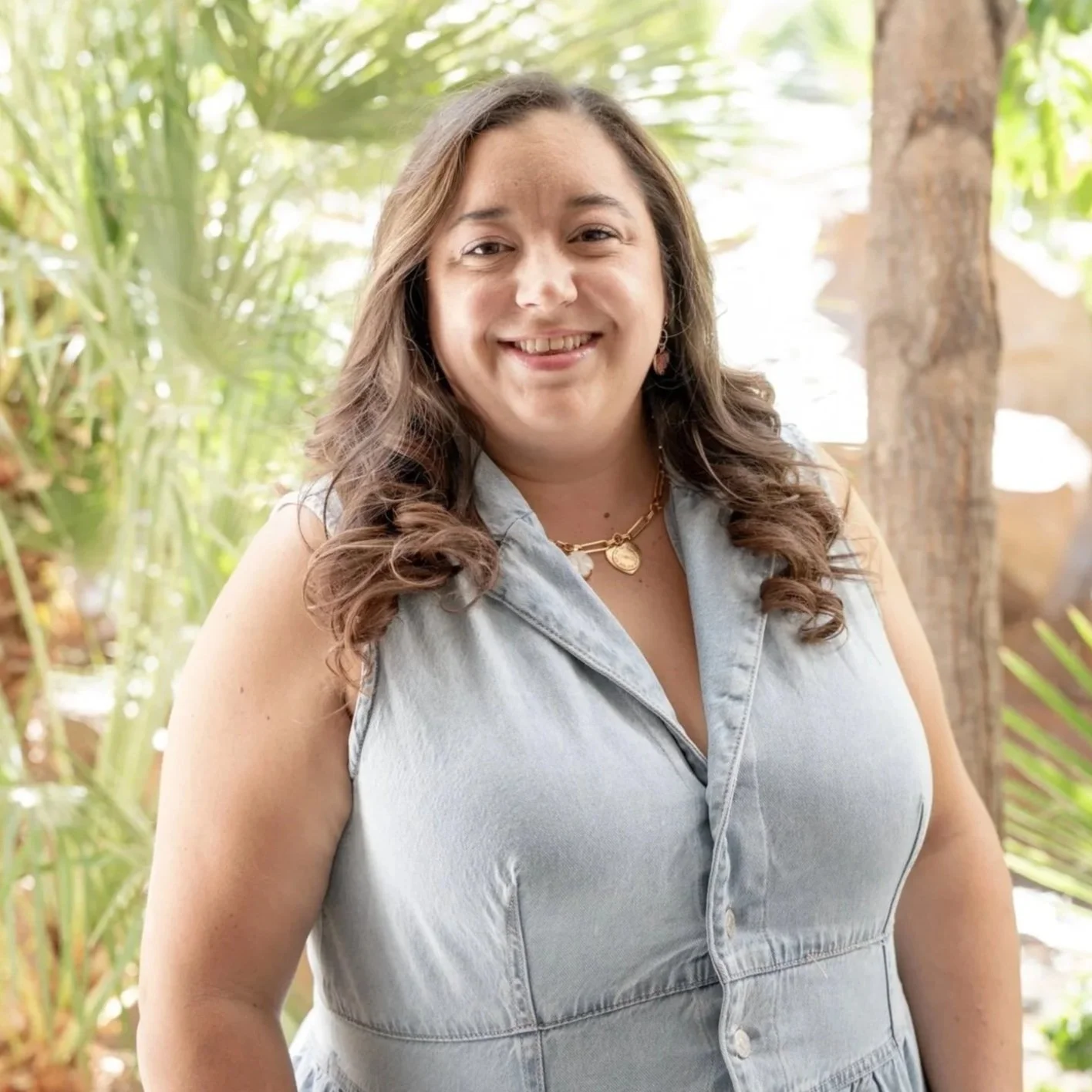
Darby Sams, MFT, MA
Darby earned a master’s degree in Marriage and Family Therapy from Capella University, graduating with honors. She brings extensive clinical experience working with individuals, couples, families, children, and teens, with specialized insight into communities navigating chronic illness, disability, adoption, queer identity, and nontraditional relationships. She currently serves as President of the Delta Kappa Pi honor society for Marriage and Family Therapy, reflecting her leadership and recognition within the field.
Recommended Posts For You