Why Play Therapy Works: When “Just Playing” Is Actually Big Work
Written by Ryan Greenwood
Tiny toys, big feelings, and a whole lot of healing.
Have you ever noticed how a child can spend an hour moving tiny action figures around and seem completely absorbed in their own little world? From the outside, it might look like “just playing.” But inside that world? Big things are happening.
When most adults picture therapy, we imagine two people sitting in chairs, talking through a problem. That’s how many of us process emotions — we talk it out. We untangle thoughts with words. We tell our story out loud and make sense of it as we go.
Kids, though? They don’t always have the words yet.
And that’s where play therapy comes in.
Play Is a Child’s Language
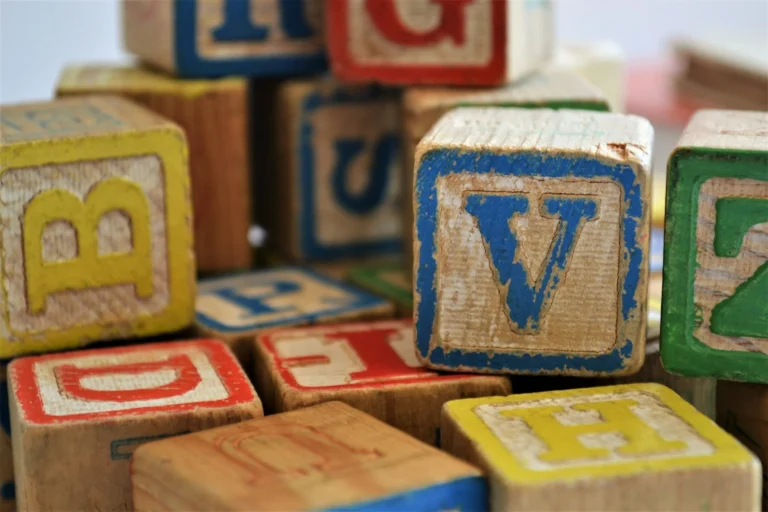
In many ways, play is how children communicate. It’s how they process, experiment, and make sense of their experiences. Instead of sitting across from a therapist and explaining what happened at school or how something made them feel, a child might show it through dolls, blocks, stuffed animals, art supplies, or a sandbox scene.
If talking is how adults process, playing is how kids do the same thing. This is why child therapy often looks very different from adult therapy. It meets children exactly where they are developmentally — not where we wish they were.
The Power of Control (Yes, Even for a Five-Year-Old)
One of the most powerful parts of kids therapy through play is control.
In real life, children don’t get much of it. Adults make the rules. Teachers set expectations. Big events happen that they didn’t choose. Schedules, transitions, and changes are often out of their hands. But in play? They are the director, the writer, and the lead actor. They decide what happens next.
Sometimes a child will replay a difficult situation through play — something scary, confusing, or upsetting. They might change the ending. They might try it again and again. And even if the story stays the same, something shifts internally because this time, they’re the one orchestrating it.
That sense of control can be incredibly regulating. Think of it like rewatching a movie that once scared you — but now you have the remote. You can pause it. Fast forward. Or even laugh at parts that used to feel overwhelming. Play gives kids that “remote control.”
It Might Look Simple (But It’s Not)
Here’s something important: play therapy can look… well… like play.
It might look like:
-
Building towers
-
Drawing pictures
-
Creating a dramatic dinosaur family saga
-
Burying and rescuing toys in a sandbox
To an outside observer, it can seem simple. But underneath the surface, themes are unfolding. Emotions are being expressed safely. Patterns are being explored. The therapist is gently noticing, supporting, and helping the child feel understood.
It doesn’t always look serious. It doesn’t have to. Sometimes the most profound work happens when a child feels safe enough to be silly, creative, and fully themselves.
“But It Just Looks Like They’re Playing…”
Parents often wonder whether enough is “happening.” A helpful reminder: growth doesn’t always announce itself with dramatic speeches.
Sometimes it shows up quietly:
-
A child sleeping a little better
-
Fewer meltdowns after school
-
More confidence walking into class
-
Big feelings that pass a little faster
Play therapy isn’t about “fixing” a child. It’s about giving them space to process in a way that fits their developmental stage. It honors who they are right now.
If you’re curious about how this approach fits into our broader services, you can learn more about our approach to child therapy and family support at Hello Calm. There’s Something in This for Grown-Ups, Too
Maybe there’s something we can take from this as adults.
We all need spaces where we feel safe enough to express ourselves in our own language — whether that’s talking, writing, moving, or creating. Healing doesn’t look the same for everyone. For kids, it just happens to look like play.
So if you’ve ever wondered whether “just playing” can really make a difference, the answer is yes. Sometimes play is the doorway to healing.
Final Thoughts
If you’re considering child therapy or kids therapy for your family, we’re here to help. At Hello Calm, we offer compassionate, developmentally informed support for children and parents alike.
If you’d like to explore whether play therapy could be a good fit for your child, we invite you to schedule an appointment with our team. You can reach out through our Contact Us page to get started.

Ryan Greenwood, CPC, MA
Ryan is the founder and clinical director of Hello Calm. He graduated at the top of his class from Adams State University with a Master’s in Clinical Mental Health Counseling, is a member of the American Counseling Association, and has a great passion for working with people to grow in the middle of their hardest moments. Ryan is a Henderson local, greatly loves the Golden Knights, traveling, and being outdoors. He and his wife have been happily married for 11 years.